

Electric forklifts and diesel forklifts are both widely used in industries and construction. However, they differ significantly in terms of structural design, operational methods, and applications. Let’s explore these differences together below!
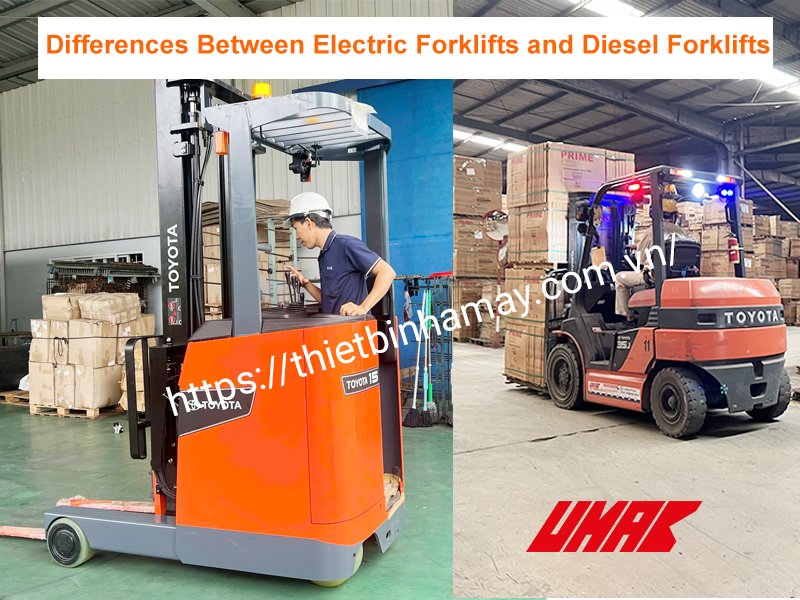
What is a Forklift?
A forklift, often referred to as a lift truck, is a specialized vehicle designed for lifting and transporting materials or goods over short distances. Forklifts are indispensable in manufacturing and warehouse operations. They are typically designed and manufactured to handle loads ranging from 1 ton to 15 tons, with various types of masts, such as standard masts or container masts, to suit different applications.
Forklifts are categorized based on the type of engine they use: electric forklifts and diesel forklifts.
The configurations of forklifts are highly versatile, offering various lifting heights and attachments, such as:
- Side shifters
- Tilt attachments
- Fork positioners
These features allow forklifts to meet the diverse needs of industrial and warehouse operations.
Electric Forklift
An electric forklift is a type of vehicle that uses a battery or plugs into an electrical source to replace manual labor in moving and lifting goods.
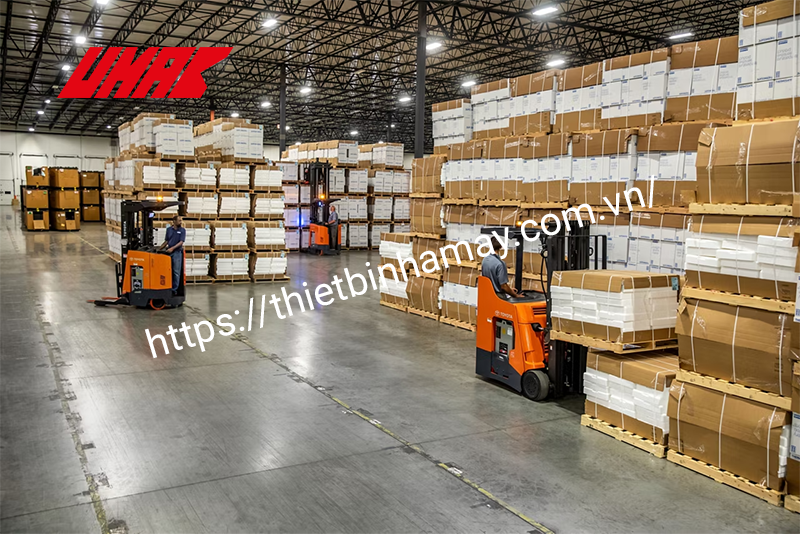
Operating mechanism of electric forklifts
Electric forklifts operate using batteries to supply power to the electric motor. These forklifts perform efficiently in quiet environments and produce no noise during operation. However, their operating time is typically limited, as they require recharging after a certain usage period.
Performance of Electric Forklifts
Electric forklifts run smoothly and quietly due to their electric motors. However, their usage time is limited. Therefore, they are commonly used for light lifting tasks and non-urgent operations.
Applications of Electric Forklifts
Electric forklifts are primarily used in warehouses and manufacturing facilities that require a quiet, noise-free working environment, such as cold storage facilities and storage warehouses.
Diesel Forklifts
Diesel forklifts use diesel fuel or gasoline as their primary energy source. They are designed to lift and transport heavy loads in industrial, warehouse, and construction environments.
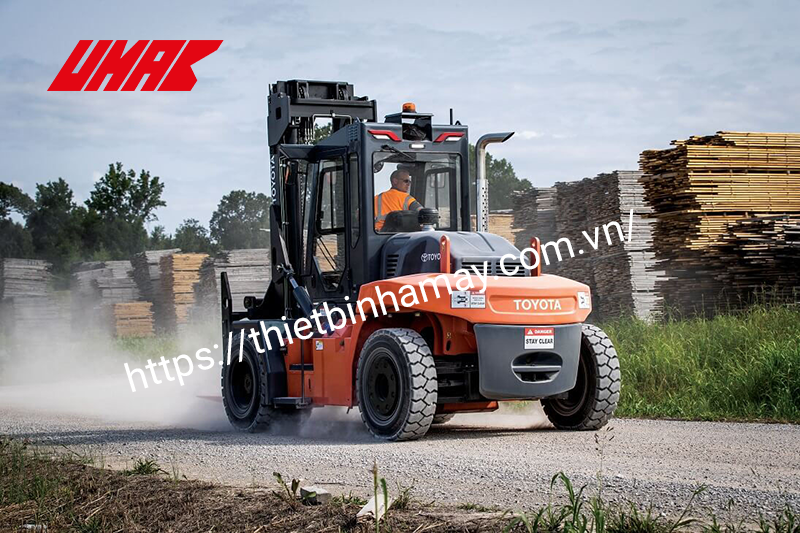
Operating Mechanism of Diesel Forklifts
Diesel forklifts operate using diesel or gasoline engines to generate mechanical energy for lifting and moving goods. This allows diesel forklifts to function effectively even in harsh environments and handle heavy, large-sized loads. Unlike electric forklifts, diesel forklifts can operate continuously for extended periods without the need for recharging.
Performance of Diesel Forklifts
The powerful diesel engine enables these forklifts to lift heavy loads and move faster compared to electric forklifts. Diesel forklifts are an ideal choice for heavy lifting tasks and urgent operations. However, their engines emit exhaust and generate noise, which limits their use in confined spaces.
Applications of Diesel Forklifts
Diesel forklifts are commonly used in warehouses, manufacturing plants, and construction sites. Their ability to lift heavy goods and move quickly increases productivity and operational efficiency.
Due to exhaust emissions, diesel forklifts are mainly used outdoors, making them suitable for construction projects, storage yards, and container handling.
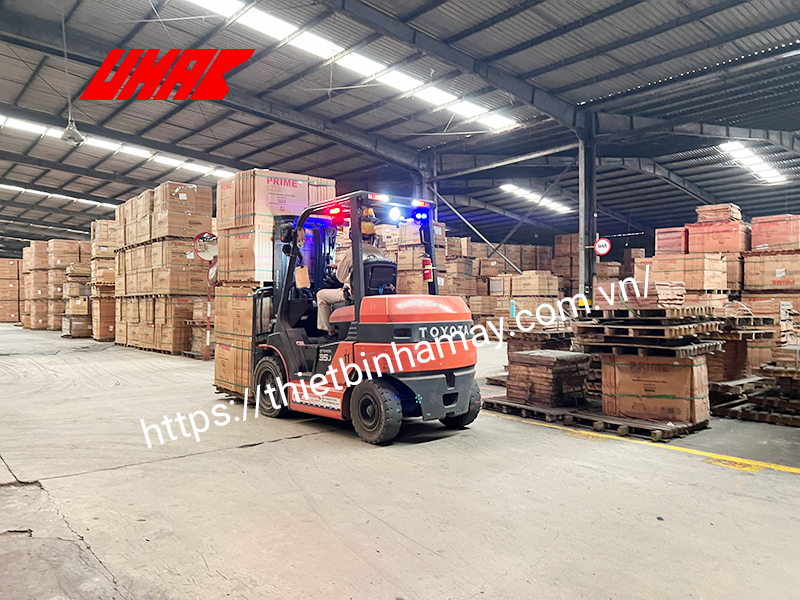
Comparison Table of Differences Between Electric Forklifts and Diesel Forklifts
| Electric forklift | Diesel forklift |
|---|---|
| Operates using a battery | Operates using a diesel or gasonline engine |
| Suitable for light lifting tasks | Handles large, heavy loads |
| Smooth eperation, no noise | Fast movement |
| No emissions, environmentally friendly | Emits exhaust and generates noise |
| Limited operating time | Continuous operating time |
Typically, diesel forklifts have a higher cost compared to electric forklifts due to their powerful engines and ability to lift heavy, large-sized goods. However, operational costs may vary depending on the duration and nature of your business activities.
Electric forklifts and diesel forklifts are two popular types of forklifts used for transporting and lifting goods. Each has its own advantages and limitations. Therefore, when deciding to invest in a forklift, it’s essential to consider the one that best suits your business operations. Using forklifts appropriately will enhance work efficiency and reduce costs.
For more details about forklifts, call us now at +84 833 486 586 for expert advice and tailored solutions!


